Buffalo Leather Boxing Gloves
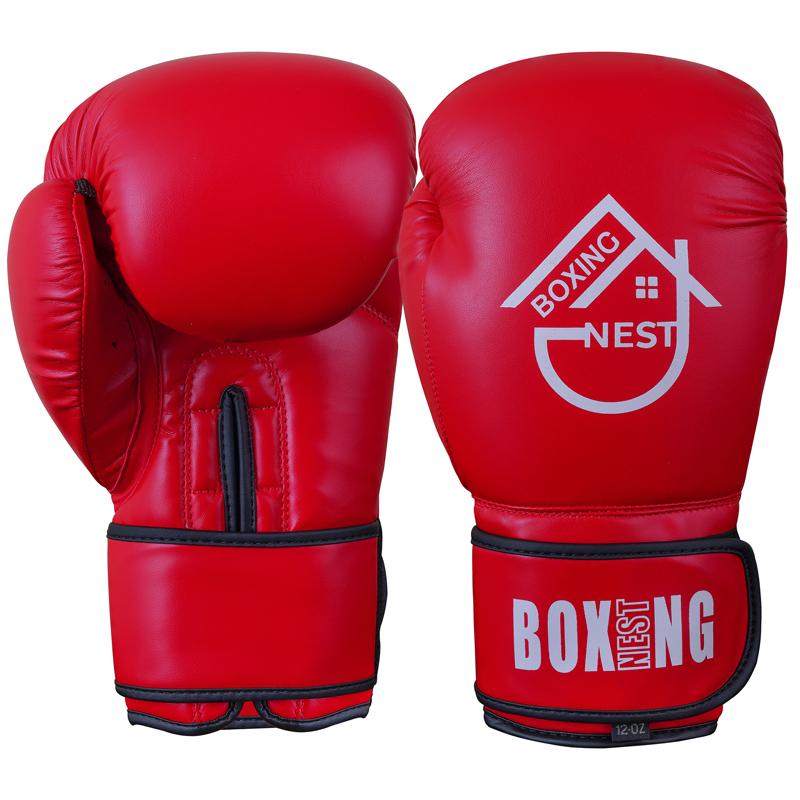
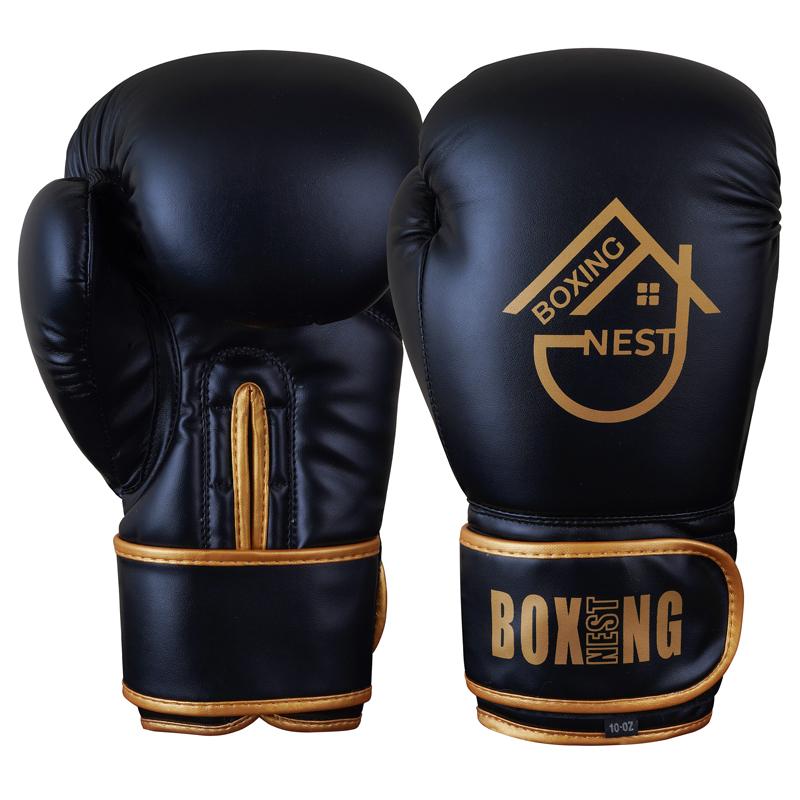
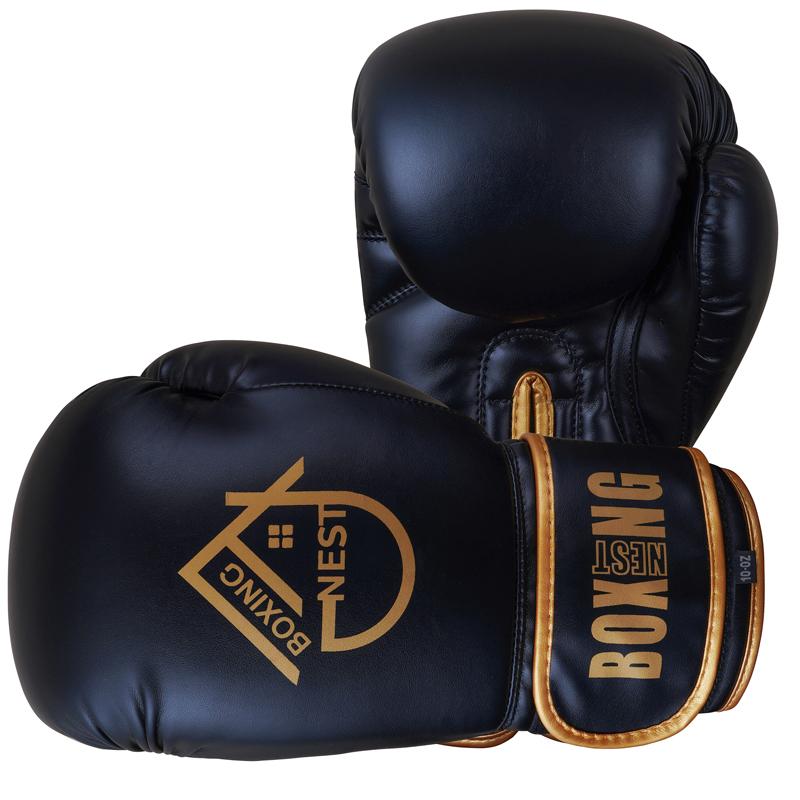
Product Specifications
| Specification | Details |
|---|---|
| Material | Genuine buffalo hide leather (outer shell) |
| Lining | Moisture-wicking fabric lining |
| Padding | High-density multi-layer foam padding |
| Closure | Hook-and-loop velcro (lace-up on request) |
| Weights Available | 10 oz, 12 oz, 14 oz, 16 oz, 18 oz, 20 oz |
| Colors | Red, Black, Blue, Brown, Natural + custom |
| Use Case | Heavy bag work, strength training, intense sparring |
| MOQ (Custom) | 50 pairs minimum for custom logo/color |
| Origin | Sialkot, Pakistan |
Key Features
- Thick-grained buffalo hide — exceptional toughness and resistance to wear
- High-density foam padding absorbs heavy impact on bag work
- Reinforced palm stitching for extended product life
- Wide hook-and-loop cuff provides firm wrist support
- Thumb lock design for added safety during sparring
- Breathable inner lining reduces sweat buildup
- Heavier shell ideal for power-focused training
- Custom gym logos and color options available
Buffalo vs Cowhide Leather
| Feature | Buffalo Leather | Cowhide Leather |
|---|---|---|
| Thickness | Thicker, coarser grain | Finer grain, smoother |
| Durability | Extremely durable | Very durable |
| Break-in Period | Longer break-in | Quicker break-in |
| Best Use | Heavy bag, strength training | All-round training |
| Price | Budget-friendly | Premium |
About Buffalo Leather Boxing Gloves
Buffalo leather is one of the most robust natural materials used in combat sports equipment manufacturing. The hide is substantially thicker than cowhide and features a pronounced open grain structure that gives it an unmistakeable textured appearance. This thickness translates directly into superior resistance to surface abrasion and cutting — critical properties for gloves used in high-intensity daily bag training. Fighters who train on heavy bags for multiple rounds every day consistently report that buffalo leather gloves outlast cowhide alternatives under equivalent training loads, making them the material of choice for athletes who prioritise absolute durability over the slightly softer break-in experience of cowhide.
The characteristic stiffness of buffalo leather during the break-in period — which typically runs 3–5 weeks of regular training — is not a design flaw; it is a function of the material's exceptional density. Once the hide has completed its break-in, it settles into a firm, supportive shell that retains its structural integrity far longer than lighter leathers. Many experienced boxers specifically prefer the firmer feel of a fully broken-in buffalo glove for heavy bag sessions because the shell's resistance contributes additional wrist stability during powerful punching sequences.
Our buffalo leather boxing gloves are manufactured in Sialkot, Pakistan, using the same hand-stitching techniques and quality control standards applied to our full cowhide range. The hide is sourced from domestic Pakistani buffalo — a material that has been a cornerstone of Sialkot's sporting goods industry for generations. The entire production process, from leather selection to final quality inspection, takes place in our manufacturing facility under direct oversight. We do not subcontract production, which means every pair of gloves that leaves our facility meets our specifications without variance.
The padding system is engineered specifically for the demands that buffalo leather gloves typically face: high-repetition heavy bag work and intense sparring at heavier glove weights. The high-density foam core absorbs the repeated peak forces generated during power punching sequences without compressing permanently — a failure mode common in lower-quality gloves where the foam takes a "set" over time and provides diminishing protection. Our multi-layer approach uses a firm base layer topped by a more resilient upper layer, creating a system that returns close to its original thickness after each impact.
Why Choose Buffalo Leather Over Cowhide?
The choice between buffalo and cowhide leather is a matter of intended use, not quality hierarchy. Both are genuine leather; both are manufactured to high standards. The differences are material properties that make each better suited to specific applications:
- Heavy bag specialists: Athletes whose training is primarily bag-focused benefit from buffalo leather's superior abrasion resistance. The coarser grain holds up to daily contact with canvas and vinyl bag surfaces better than smoother cowhide.
- Budget-conscious buyers: Buffalo leather is typically priced lower than full-grain cowhide while delivering comparable durability, making it an excellent choice for gyms equipping large numbers of athletes simultaneously.
- Athletes in hot climates: Buffalo leather's thicker grain structure allows slightly better air circulation on the glove exterior, which can be beneficial in hot, humid training environments.
- Those who prefer a firmer glove: Some experienced boxers prefer the firmer shell that comes with buffalo leather's greater density, particularly for power punching sessions where wrist support is the priority.
Glove Care & Maintenance
Buffalo leather's density makes it more forgiving of minor care lapses than cowhide, but proper maintenance remains important for maximising service life.
- Air dry after every session: Open the gloves fully after training and position them in a well-ventilated area. Buffalo leather handles moisture better than most materials, but trapped sweat still degrades foam and stitching over time.
- Always use hand wraps: Hand wraps protect the glove lining from direct sweat exposure and significantly reduce the frequency with which gloves need cleaning. Cotton wraps are particularly effective at absorbing training perspiration.
- Wipe down with a damp cloth: After training, remove surface sweat with a slightly damp cloth. The natural open grain of buffalo leather can harbour bacteria if surface sweat is not removed regularly.
- Condition every 6–8 weeks: Buffalo leather benefits from periodic conditioning to prevent the grain from drying out. Apply a small amount of leather balm or conditioner, work it into the grain, and buff off any excess. This prevents surface cracking at stress points.
- Store in a ventilated space: Never store gloves in sealed bags between sessions. A glove bag with mesh panels, or simple open storage in a ventilated locker, keeps gloves dry and prevents odour accumulation.
Who Are These Gloves For?
- Heavy bag specialists: Boxers and kickboxers who focus primarily on bag work benefit most from buffalo leather's surface durability. The material withstands the abrasive texture of heavy bags better than smoother leathers.
- High-volume trainers: Athletes training 5–6 sessions per week at high intensity need gloves built for sustained daily use. Buffalo leather handles this volume without the accelerated surface wear that lighter materials show.
- Gym and club owners: Clubs that purchase shared equipment for rotating member use get longer service life from buffalo leather than from cowhide at lower price points — an excellent combination for gym economics.
- Strength-focused training: Fighters developing power as a primary training objective benefit from heavier gloves (18–20 oz) in buffalo leather — the additional weight builds shoulder endurance while the durability handles the power generated.
- Athletes on a budget: Beginners and intermediate athletes who want genuine leather gloves without the premium price of full-grain cowhide find excellent value in buffalo leather.
Frequently Asked Questions
Is buffalo leather as good as cowhide for boxing gloves?
Buffalo leather and cowhide serve different purposes rather than being in a quality hierarchy. Buffalo leather is thicker, more abrasion-resistant, and typically more affordable — making it better for heavy bag training and budget-conscious purchases. Cowhide is finer-grained, breaks in more quickly, and offers a softer feel — making it preferred for sparring and all-round training. Both are genuine leather and both produce gloves that last for years with proper care.
How long is the break-in period for buffalo leather gloves?
Buffalo leather requires a longer break-in period than cowhide — typically 3–5 weeks of regular training before the leather fully softens to your hand profile. During this period, the gloves may feel stiffer than expected. This stiffness is a product of the material's density and is not a defect. Accelerating the break-in by applying conditioner after the first few sessions can help slightly, but the primary softening agent is use. The fully broken-in buffalo glove provides excellent long-term comfort combined with exceptional durability.
What weights are available for buffalo leather gloves?
Our buffalo leather boxing gloves are available in 10 oz, 12 oz, 14 oz, 16 oz, 18 oz, and 20 oz. The 16–20 oz range is particularly popular for buffalo leather as the extra weight combines with the material's density to create an excellent heavy training tool for power development and shoulder conditioning.
Can buffalo leather gloves be used for sparring?
Yes. Our buffalo leather gloves in 14 oz and 16 oz are suitable for sparring. The high-density foam padding system provides adequate protection at these weights. That said, many coaches recommend cowhide for sparring due to the softer break-in experience and the more pliable feel that some athletes prefer when working with a partner. Buffalo leather is primarily the preferred choice for bag work and pad sessions.
Do you offer custom branding on buffalo leather gloves?
Yes. Custom embossed logos, screen-printed designs, and custom color specifications are all available for buffalo leather gloves. Minimum order for custom branding is 50 pairs. We can work from your provided artwork files (vector format preferred) and will produce a digital proof for approval before production begins. Lead time for custom orders is typically 3–4 weeks from artwork approval.
What is the minimum order for wholesale pricing?
For standard buffalo leather gloves in our available colors and weights, there is no minimum order for regular pricing. Volume discounts apply at 50, 100, and 200+ pair quantities. For custom-branded orders, the minimum is 50 pairs. Contact us via WhatsApp for a current wholesale price list with all quantity tiers.
Buffalo Leather in Boxing — A Detailed Material Analysis
The physical properties of buffalo leather emerge from the animal's biology. Water buffalo (Bubalus bubalis) have significantly thicker hides than domestic cattle — a thickness that reflects the animal's exposure to harsher environmental conditions and its physical durability as a large working animal. The collagen fibre network in buffalo hide is more densely packed and coarser in structure than in cattle hide. This coarser grain is why buffalo leather has a visually distinct texture from cowhide — the fibres are individually larger and the grain pattern is more open and pronounced.
This coarser fibre structure produces several mechanical properties relevant to boxing glove performance. First, it increases abrasion resistance: the larger fibres are more difficult to cut and fray than the finer fibres of cowhide. A boxing glove's outer shell contacts the bag surface thousands of times per training session — the abrasion resistance of the shell material directly determines how quickly the surface wears. Second, the increased thickness means the shell contributes additional rigidity to the glove structure, particularly during the break-in period before the leather has softened. Third, the coarser grain allows slightly better moisture transfer through the leather compared to smooth-finished cowhide, which benefits training comfort in hot, humid conditions.
The trade-off for these properties is the longer break-in period and the initially firmer feel. Athletes accustomed to cowhide gloves who switch to buffalo leather for the first time frequently comment on the stiffness during the first few weeks. This stiffness is the material's density in an unmolded state — it is not a quality indicator, it is a material characteristic. Once broken in, buffalo leather settles into a firm, supportive state that many power hitters prefer for its stability and wrist support during heavy bag sessions.
Ordering Information — Minimum Orders, Lead Times, Shipping
For buyers interested in placing orders, here is the practical information needed to plan your purchase:
- Standard orders (no customisation): No minimum order quantity. Orders of 1–10 pairs are fulfilled from existing stock or produced to order within 5–10 business days. Volume discounts begin at 50 pairs.
- Custom color orders: Minimum 50 pairs per color specification. Production lead time 3–4 weeks from order confirmation.
- Custom branding (logo) orders: Minimum 50 pairs. Requires artwork file submission (vector format preferred). Production lead time 3–5 weeks from artwork approval.
- Shipping options: DHL Express, FedEx International, UPS for courier delivery. Sea freight available for orders over 200 pairs. We quote FOB (Sialkot) or CIF (your port) pricing.
- Payment: Bank transfer (T/T), Western Union, or PayPal for smaller orders. Letter of Credit (L/C) available for large orders. 50% deposit on order, 50% before shipment is standard for custom orders.
💬 Looking for bulk orders for your gym? We offer wholesale pricing with custom branding and worldwide shipping.
Get QuoteBuffalo Leather Gloves in Professional Training Environments
Professional boxing camps place enormous demands on equipment. A fighter in a 10-week preparation camp may train twice daily, with each session including heavy bag rounds, pad work, and sparring. The cumulative training volume in a single professional camp is higher than most amateur athletes achieve in a full year. Equipment that performs adequately for recreational training fails quickly in professional camp environments — and failure of training gloves at a critical point in camp preparation is more than an inconvenience; it disrupts training continuity at a time when consistency is essential.
Buffalo leather gloves have proven themselves in professional camp environments precisely because their exceptional durability handles this training volume without the premature degradation that affects lighter materials. Many professional trainers specifically equip their fighters with buffalo leather for the bag work and pad rounds that constitute the bulk of daily training volume, reserving cowhide for sparring where the softer feel provides more comfortable extended contact rounds. This two-leather approach — buffalo for impact-heavy training, cowhide for contact sparring — is a common professional training room practice that reflects the complementary strengths of both materials.
For gym owners who supply equipment to professional fighters and competitive amateurs, stocking buffalo leather gloves alongside cowhide gives your athletes access to the material most appropriate for each training application. Contact us for professional gym pricing on multi-type glove packages that include both buffalo and cowhide options in a coordinated gym color scheme.
Sialkot's Buffalo Leather Heritage
Pakistan's Punjab province, where Sialkot is located, has a long tradition of buffalo farming alongside cattle farming. This means Pakistani buffalo hide has historically been one of the most locally available and cost-effective genuine leather materials for Sialkot's sporting goods industry. The proximity of raw material supply to manufacturing reduces transport costs and allows manufacturers to select hides in person at the source — an advantage that directly affects the consistency and quality of the finished product. Boxing Nest works with established hide suppliers in the Sialkot region whose quality standards align with our manufacturing requirements. Every batch of buffalo hide is inspected for thickness uniformity, surface quality, and tanning consistency before it enters our production process.